Why Leading Enterprises Trust SSEL HR
Your Reliable
Engineering Partner.
Focusing on the recruitment, deployment, and management of specialized technical workforces for high and low voltage power infrastructure projects.
About SIDDIQUE SONS
Siddique Sons Engineering (Pvt) Ltd. – Human Resource Division is strategically engineered to bridge the technical talent gap in major power generation and heavy industrial grids. Rooted deeply within the structural ecosystem of local and international industrial corridors, our infrastructure operations provide comprehensive workforce management under rigorous engineering compliance guidelines.
With over three decades of engineering roots tracking back to 1996, our strategic headhunting and certified payroll pipelines intersect directly at key energy developments, high-voltage installations, and sub-station commissioning setups. Located with highly convenient connectivity to primary industrial transport hubs, SSEL HR manages thousands of field experts, engineers, and technical personnel, ensuring that complex industrial grids are powered with absolute operational efficiency, safety, and elite performance capabilities.
Providing Our Clients with Elite Engineering Services.
SSEL HR provides clients with complete technical workforce solutions such as heavy power plant deployment, high-voltage substation operations, and specialized industrial automation systems engineering.
Absolute Integrity
Sustainable Growth
Peak Perfomance
Ethical Governance
Why Leading Enterprises Trust SSEL HR

Quality & Professionalism
We always believe quality in a service is not what you put into it. It is what the client gets out of it.

Our Experience
With the team of experienced industry professional we are always at forefront of delivering excellence.

Value Addition
While making sure we add long term value to our society we use expertise to enable a more sustainable future.

Reliability
For our Clients, this is key. When we say we deliver something, we mean it.
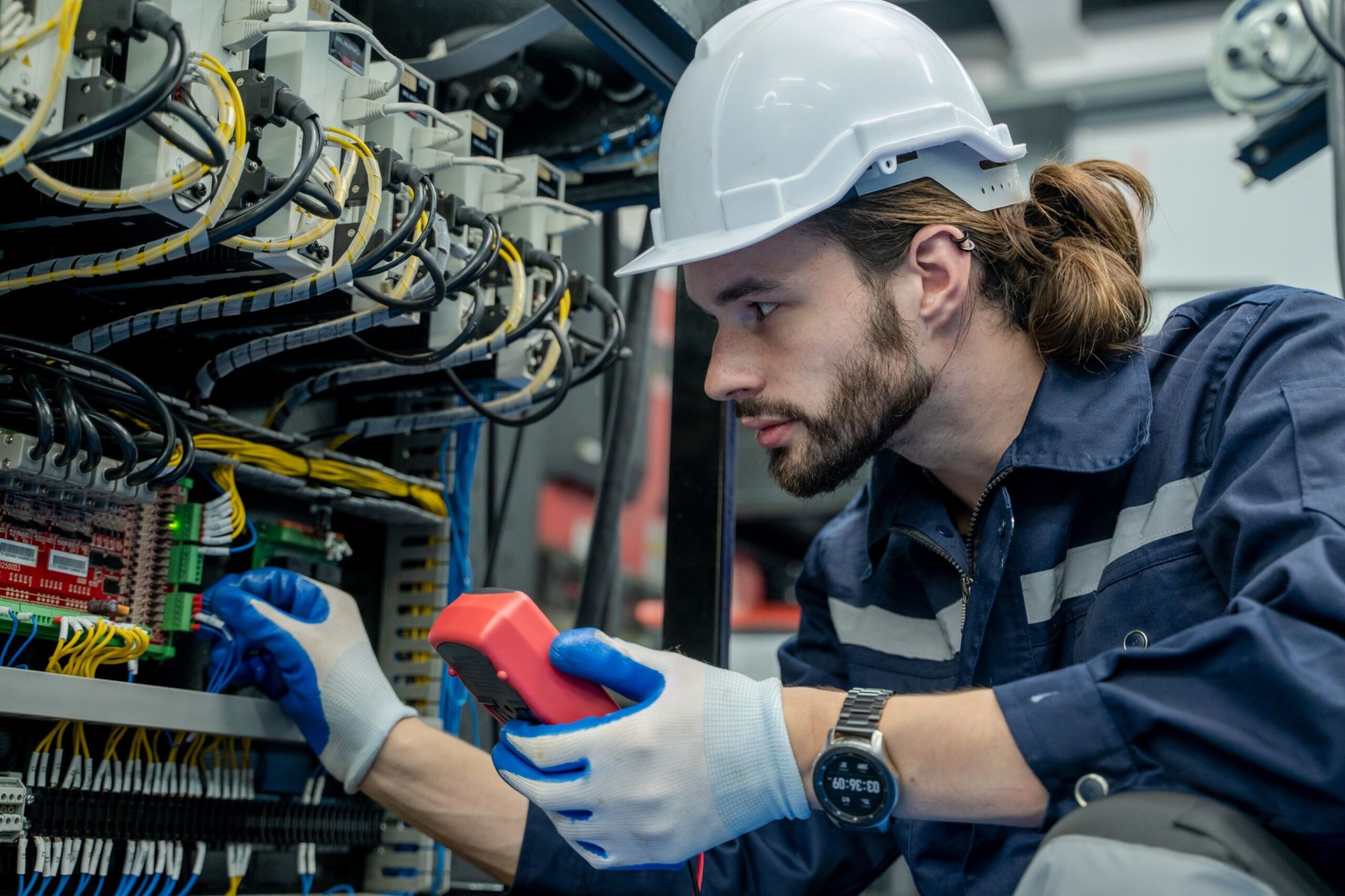
Industries We Power & Serve
Karachi Electric
Generation: KE produces its own electricity using a diversified portfolio of thermal, gas, and increasingly integrated renewable energy plants. It also buys extra power from Independent Power Producers (IPPs) and the National Grid to safely meet peak summer demands.Lorem ipsum dolor sit amet, consectetur adipiscing .
Islamabad Electric Supply Company
Like SEPCO, IESCO does not generate electricity itself. Its main function is to buy bulk electric power from the national grid, transmit it safely through its network of over 100 grid stations, and distribute and sell it directly to residential, commercial, and industrial consumers
Peshawar Electric Supply Company
Like other regional DISCOs, PESCO does not generate electricity. It acts as the final supply bridge. It takes high-voltage electricity from the national transmission grid, routes it through its network of over 110 local grid stations.
Lahore Electric Supply Company,
Like other regional DISCOs, LESCO doesn’t produce electricity. It buys bulk power from NTDC via the national grid, reduces the voltage at its grid stations, and then distributes it to consumers while handling billing.
Faisalabad Electric Supply Company,
FESCO’s core purpose is powering Central Punjab. Like other DISCOs, it doesn’t generate electricity. It buys high-voltage power from the national grid, steps it down via its grid stations, and manages distribution + billing for end consumers.
Quetta Electric Supply Company
QESCO’s core purpose is powering Balochistan. Like other DISCOs, it doesn’t generate electricity. It receives high-voltage power from NTDC/NGC, steps it down through grid stations, and handles distribution + billing for consumers in its area.
Multan Electric Power Company
EPCO’s consumer base is 90%+ domestic households, with many rural “lifeline” users who consume very little electricity. Plus, Southern Punjab is an agri hub, so MEPCO also runs a huge network of high-voltage tube-wells and agro-industries.
University
Universities do more than teach — they create new knowledge. Through research, experiments, and published studies, professors develop new technologies that drive industries and society forward.
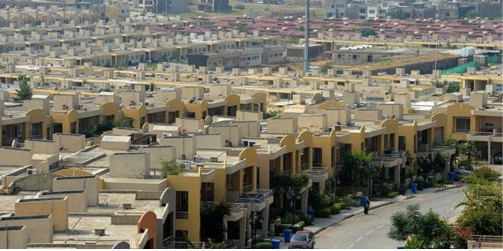
Housing Society
A key benefit of housing societies is shared facilities that are too costly for individual homeowners. These include utilities like centralized water, backup power, and waste management, plus recreation facilities such as parks, playgrounds, pools, gyms, and community areas.
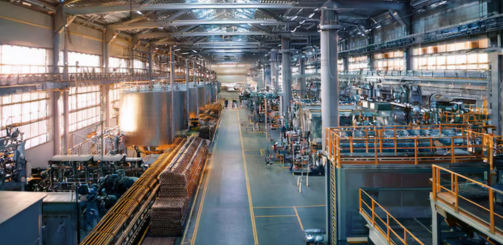
Factory
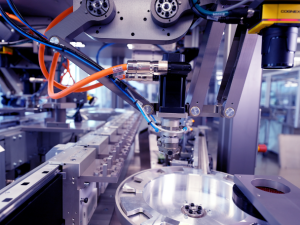
A factory is an industrial site with buildings and machinery where workers make products or process raw materials into finished goods. Factories are essential to the modern economy — most of the world’s goods are made or processed in them.
National Transmission and Despatch Company
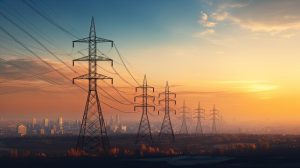
Power generation plants are the “factories”, DISCOs are the “neighborhood shops”, and NTDC is the “interstate highway” between them. NTDC alone owns and operates Pakistan’s 500 KV and 220 KV transmission lines plus major grid stations to carry bulk power nationwide.
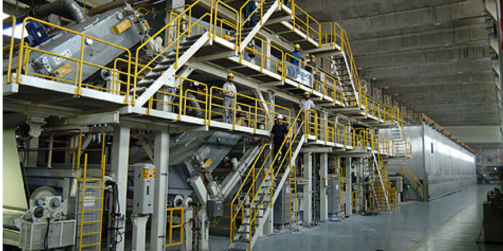
Paper Board Mills
Containerboard = brown corrugated cardboard for shipping boxes, made of wavy fluting + flat linerboard.
Boxboard = smooth, bendable cardboard for retail cartons like cereal, shoes, cosmetics, and medicine.
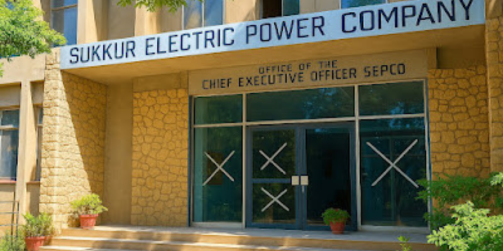
Sukkur Electric Power Company,
SEPCO doesn’t generate electricity. It’s the final delivery bridge in Northern Sindh — it takes high-voltage power from the national grid, steps it down at local grid stations, and safely distributes it to consumers.
Industry Insights & Global Talent Trends

Engineering the Standards: The Human Element in High-Voltage Compliance

Vocational Pipeline Acceleration: The Key to Solving the Energy Talent Crisis

Industry 5.0 and the Power Grid: Fostering Human-Machine Collaboration


Trusted by Industry Leaders Worldwide